Five brands rose through the chaos of influencer marketing. Here are the principles that helped them.
The influencer brief is killing your influencer marketing. Five brands figured this out. Here's what they did instead.
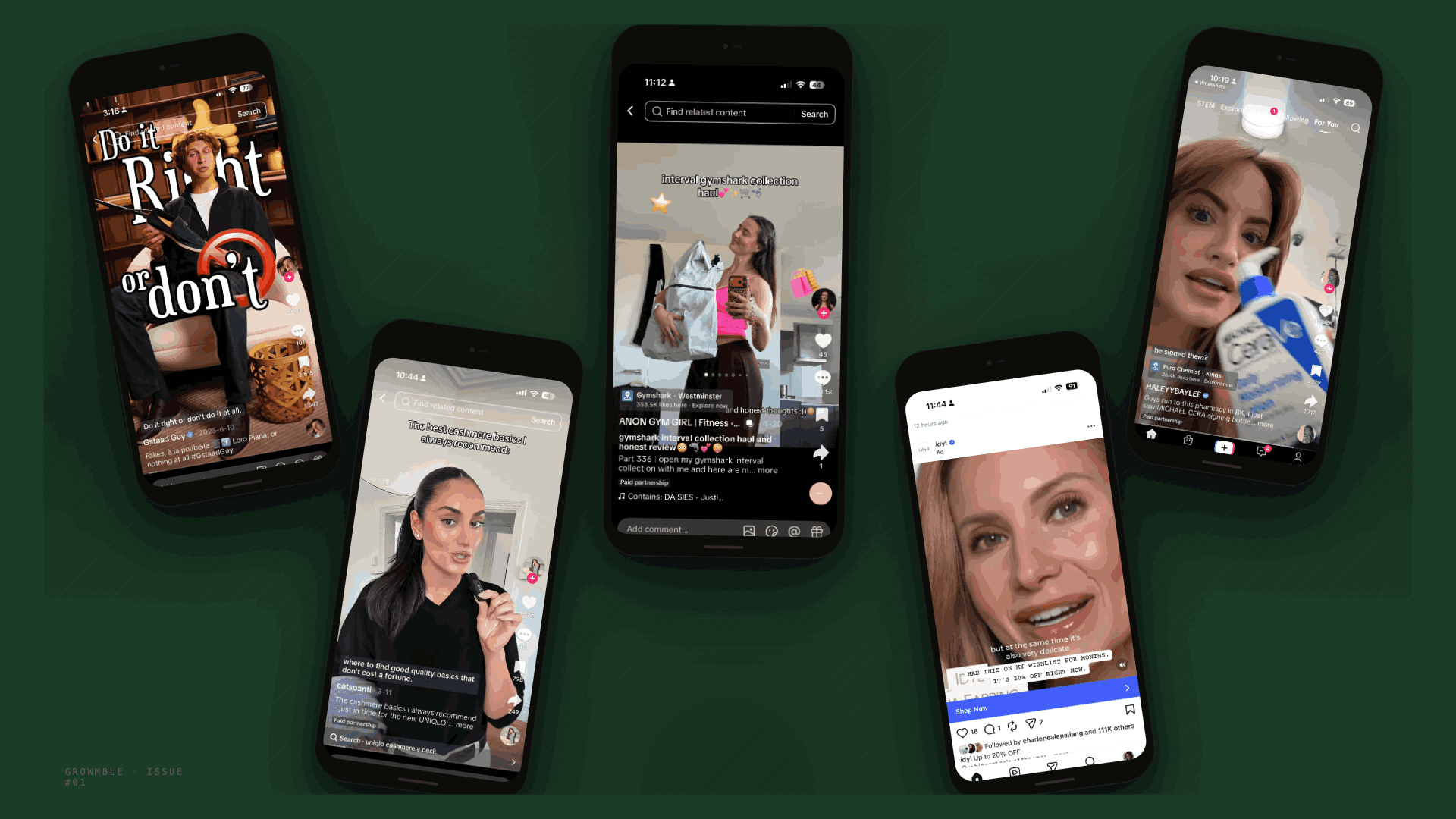
Influencer marketing returns nearly 3× more per dollar than paid advertising — and brands are rushing to catch up. Most are getting it wrong.
Last year I was brought in to rethink influencer strategy for a major FMCG brand in Southeast Asia. They'd gone through the typical influencer marketing journey — hire an agency, allocate a half-decent budget, choose influencers by follower count, and brief them to chase views and impressions.
Five creators. Five briefs. Five pieces of content that looked exactly like each other.
The brand's identity drowned the creators' voices. What came out looked flat, unimaginative, and interchangeable. What was lost was the whole point of hiring a creator in the first place — their voice, their relationship with their audience, the credibility they'd spent years earning. The process erased all of it. But there was a second loss, quieter and more costly.
Most marketing teams don't realise that an influencer campaign is one of the best live experiments available to them — one that can generate audience intelligence worth far more than the campaign itself.
Five creators with five genuinely different audiences is a structured test. Give each one a different angle on the same product — efficacy, lifestyle, ingredient transparency, community — and you're not just buying reach. You're learning which value proposition lands with which person, in which context, at scale. Real audiences responding to real content in real time, for the cost of a campaign you were already running.
That signal feeds everything downstream: paid media targeting, creative strategy, product positioning. It's primary research you get paid for.
Investment is following.
The brands doing influencer marketing right haven't found better agencies or bigger creators. They've figured out a set of principles that separate them from the crowd.
Loro Piana & Loewe—Know your brand persona and find someone who lives it
Gstaad Guy is a parody account that satirizes old-money European luxury — the cashmere, the Swiss ski resorts, the quiet confidence of people who've never needed to show off. He was already living in Loro Piana's world — and talking about the brand without prompting. For a brand that had never worked with creators before, it was an unusually clear signal: access to a younger audience already fluent in the brand's language, without ever needing to be spoken to directly.
The collaboration worked because there was almost nothing to explain. His audience trusted it instantly because it didn't feel like a stretch. It just rang true.
Loewe has scaled this approach with multiple creators like Brian Park and Chris Zhou. Loewe has a very specific sensibility — art-forward, intellectually curious, and humorous. They have mastered picking creators who authentically represent that brand persona while translating it to their audiences.
Most brands pick influencers based on numbers and then figure out how to brief them. These brands asked a different question first — whose world already matches ours? When that answer is right, the brief almost writes itself.
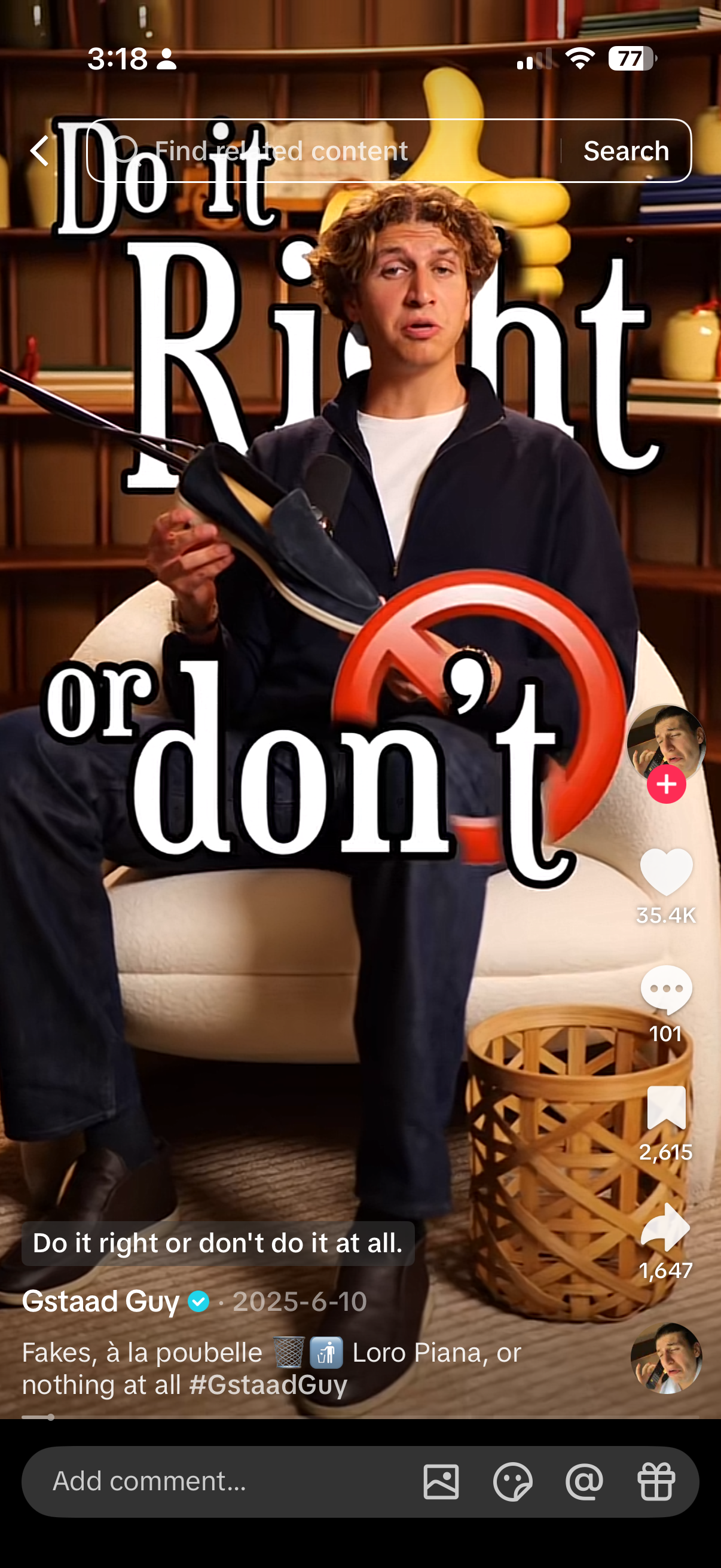
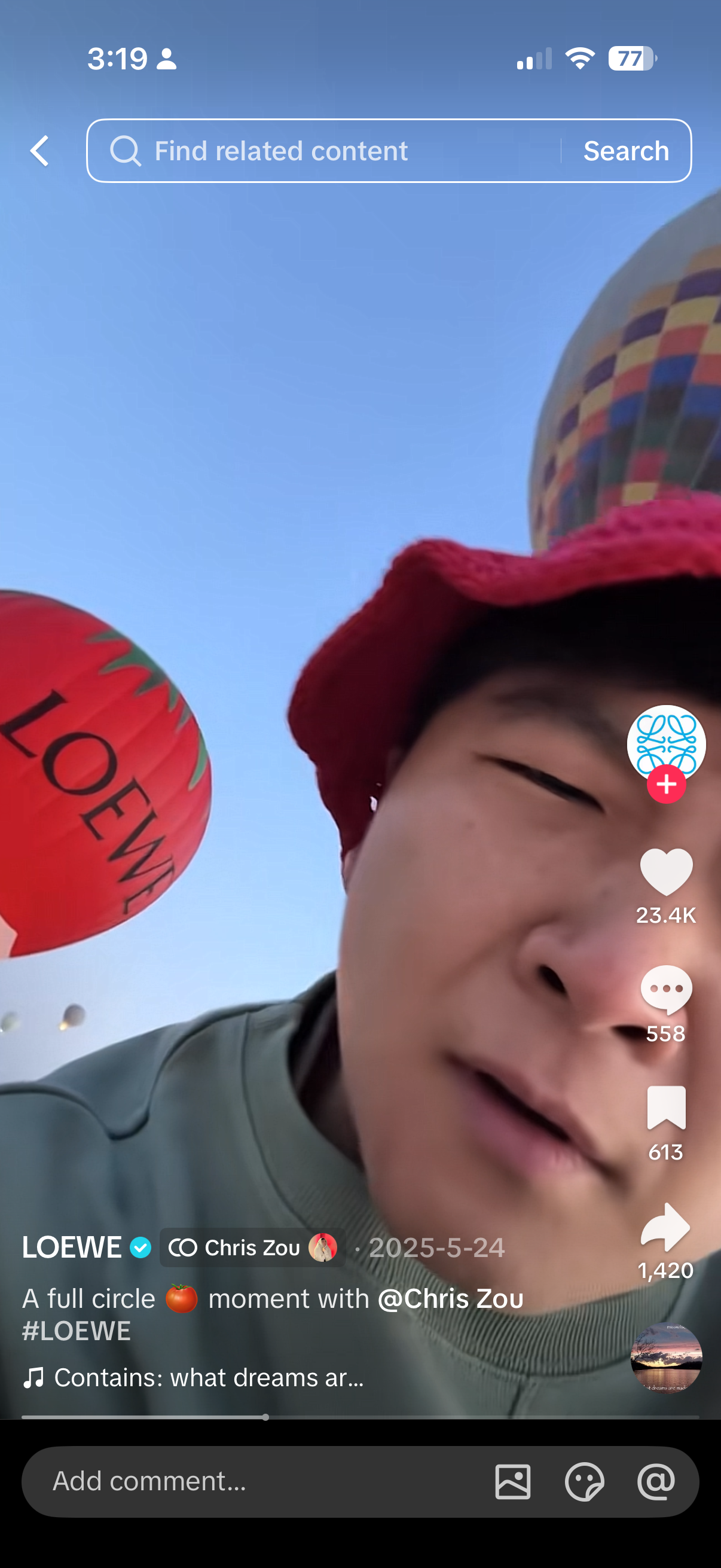
Define your brand persona precisely enough to spot it in a real creator. The selection criterion is not reach — it is worldview alignment.
Experiment tip: Map 3–4 core audience personas and assign one creator to each. Run a controlled test across two variables: audience size versus engagement rate. The goal is to isolate the creator-message combination that drives the highest conversion, not the most impressions.
A brief is a tax on authenticity.
Uniqlo—The less you say, the more you get.
Uniqlo's brief is the product. Everything else follows from that.
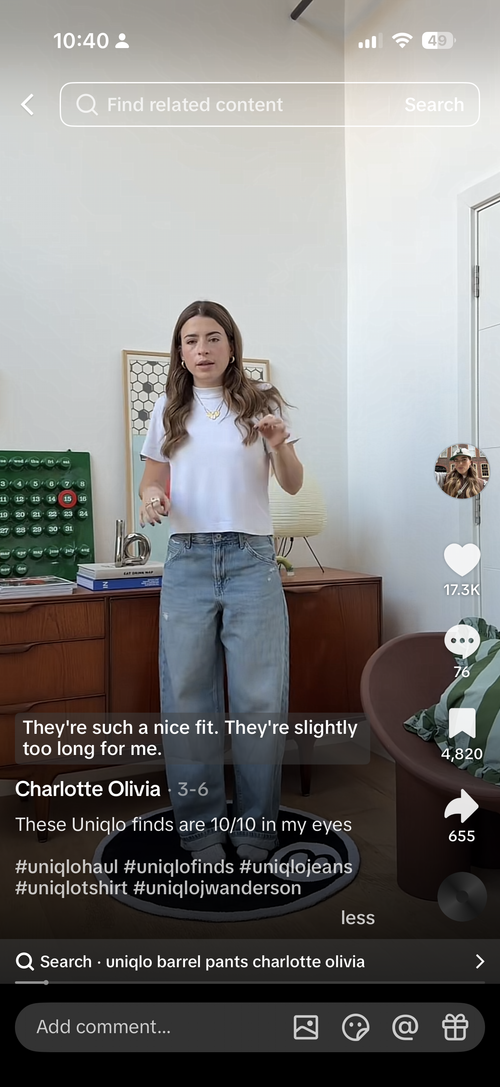
Uniqlo doesn't brief creators. Not in any meaningful sense. They seed product, and what comes back looks like content the creator would have made anyway — because it is.
Scroll through any minimalist fashion creator's TikTok and you'll find Uniqlo without looking for it. Charlotte Olivia (@iamcharlotteolivia, 372K followers) posted "These Uniqlo finds are 10/10 in my eyes" with no paid tag and pulled 17.3K likes and 4,820 saves. Jessica Park (@sicapark, 24.4K followers) styled the Lemaire x Uniqlo men's set organically and generated 1,403 likes and 387 saves from an audience a fraction of the size. The paid partnerships — Ro on the perfect baby tee, @catspanti an Australian creator, on cashmere basics — read exactly the same way. There's no visible seam between sponsored and organic, because the product already belongs in these creators' worlds.
That's the whole strategy. Uniqlo doesn't brief because it doesn't have to — its product seeding is matched to the creator and the audience they reach, so the right Creator + product selection does the work of unlocking content, engagement, and audience expansion on its own.
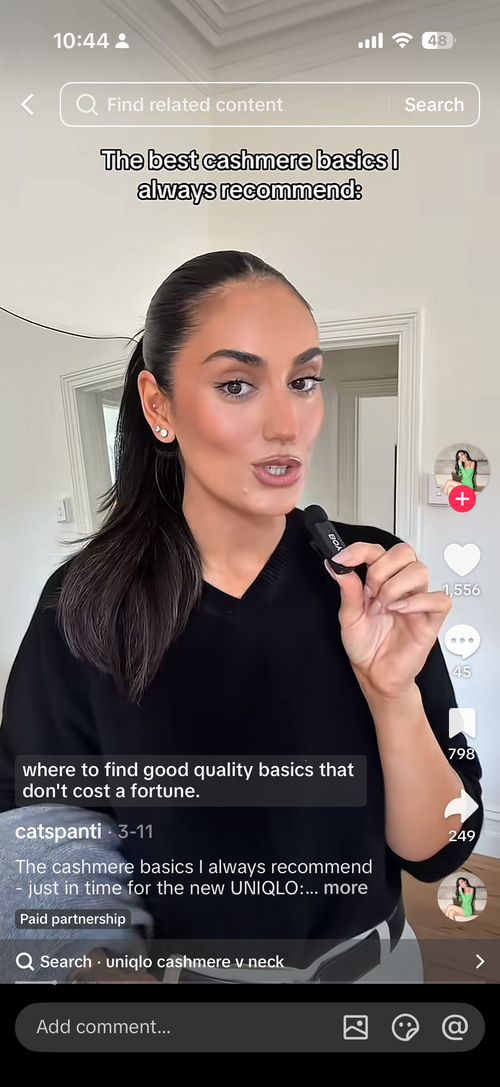
If you gave a creator your product and no direction, would they post it? If the answer is no, the brief isn't the problem.
The brands that win at creator relationships didn't find better talent. They found it earlier.
Gymshark—Are you ready for a long-term bet? Grow with them.
In 2012, Gymshark sent free product to fitness creators nobody had heard of yet. Not one-off gifting. Long-term relationships — built years before anyone called it influencer marketing.
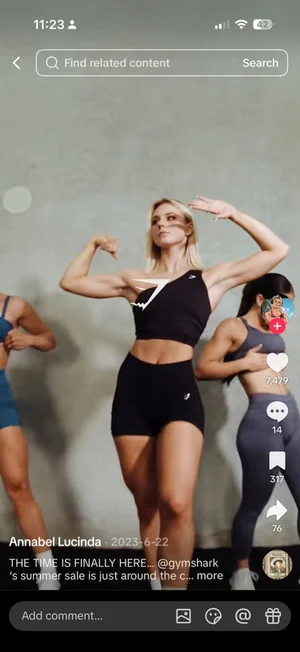
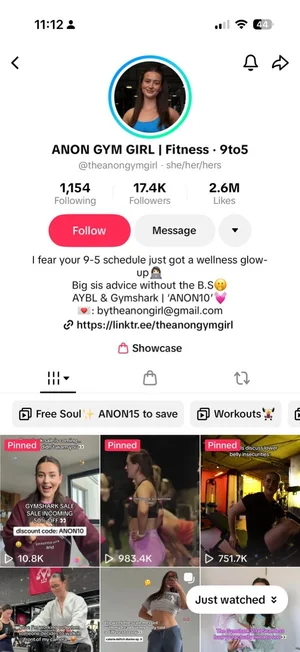
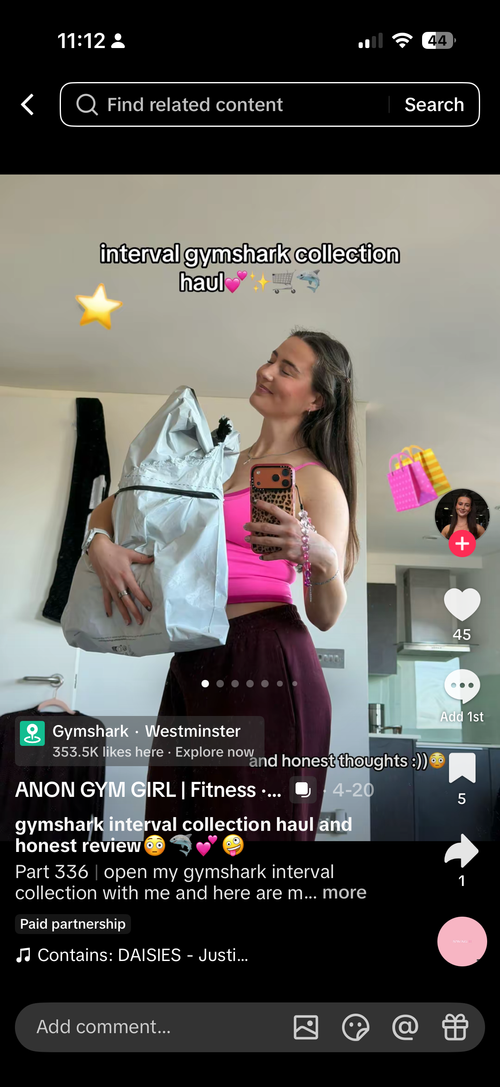
Those same creators are still with them. Annabel Lucinda has been a Gymshark creator for over 6 years — gym fits, sale announcements, and her own discount codes — still showing up consistently in 2025. That is compounding in practice. At the other end of the pipeline: @theanongymgirl, 17.4K followers, already a paid partner with a discount code. A small audience, a genuine fitness community, seeded before she's expensive. The brand is now worth $1.3 billion, built on exactly this.
Here is the cycle most brands are too impatient to wait for: the influencer becomes a genuine customer. The customer becomes a more credible voice. That credibility compounds with every piece of content they make. By the time Gymshark's early creators had been with them for three years, their endorsements weren't posts. They were proof.
The data makes the case plainly. Ambassador programs deliver the highest ROI of any influencer format.¹ 71% of influencers offer rate discounts for longer-term partnerships¹ — the market is literally pricing in the value of time. Brands running one-off campaigns aren't just leaving credibility on the table. They're paying more for less.
Identify creators in your category with under 50K followers who already use products like yours. Seed them before they price you out. Track conversion rate, not follower growth. The loyalty-to-advocacy pipeline is a workflow you can build.
Idyl—Influencer videos are your ad assets. Know when to amplify.
Idyl is a sustainable fine jewellery brand — lab-grown diamonds, built for everyday wear. Their paid amplification strategy looks nothing like most brands their size.
No brand shoots. No templated assets. They identify creators whose content already resonates with their audience, seed them with product, and boost what performs. Their paid strategy is almost entirely made up of amplified creator posts.
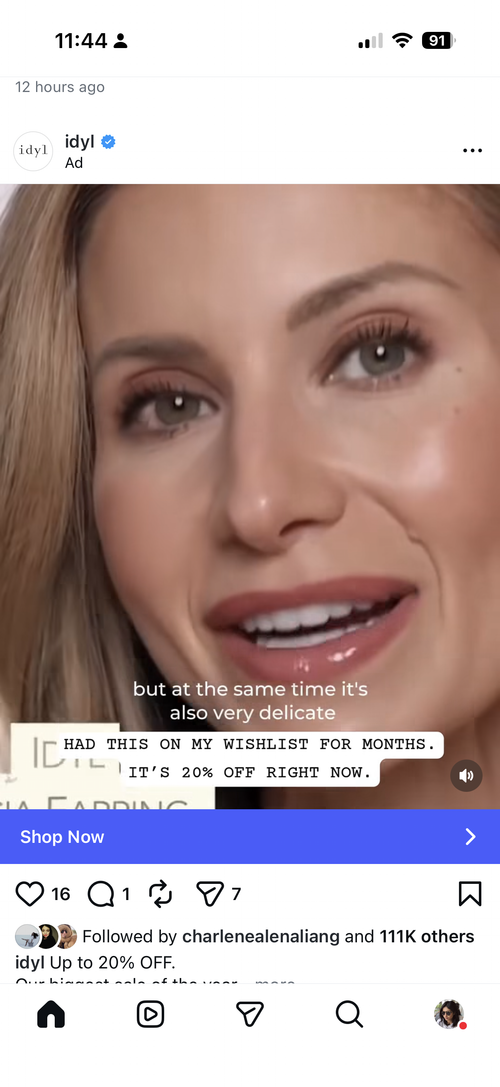
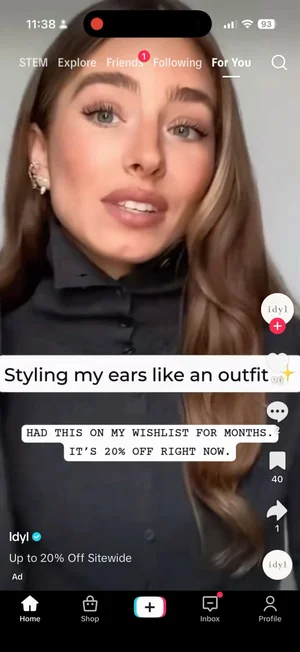
Nearly 8 in 10 marketers now amplify organic creator content through paid media¹ — but most pay to push content that never earned attention on its own. Idyl flips the sequence. Find what is already resonating, then fund the distribution. Most of their paid amplification runs through micro-influencers. The bet isn't on audience size. It's on content that already works — and giving it the reach that converts.
Medicube runs the same playbook at scale. In April 2025, the K-Beauty brand jumped 36 spots on Traackr's Beauty and Fashion leaderboard — driven largely by strategically boosted creator content. The numbers make the case directly: boosted creator posts generated an 8.23% engagement rate against 1.03% for non-boosted content. Eight times the engagement, for content they didn't manufacture.
Engagement rate on creator content featuring your product is a stronger amplification signal than the creator's baseline engagement rate. The delta between the two tells you whether the product-audience fit is real. Amplify when that delta is positive and the content has already shown organic traction.
The best-performing paid creative is already made by someone else.
Zara & CeraVe—In the age of AI, creativity beats volume.
In the age of AI, the temptation is to generate content at scale and optimise for volume. CeraVe and Zara prove the brands that win aren't generating more — they're thinking harder.
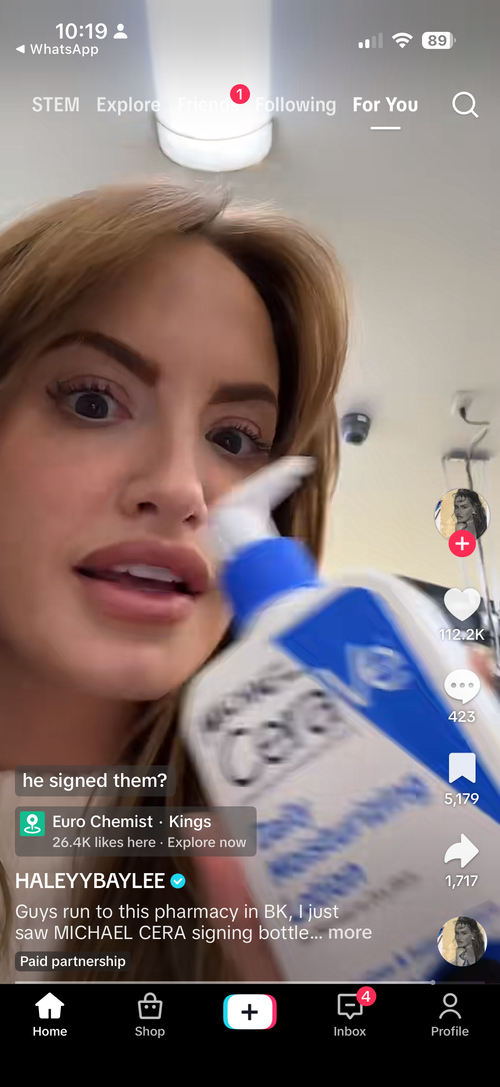
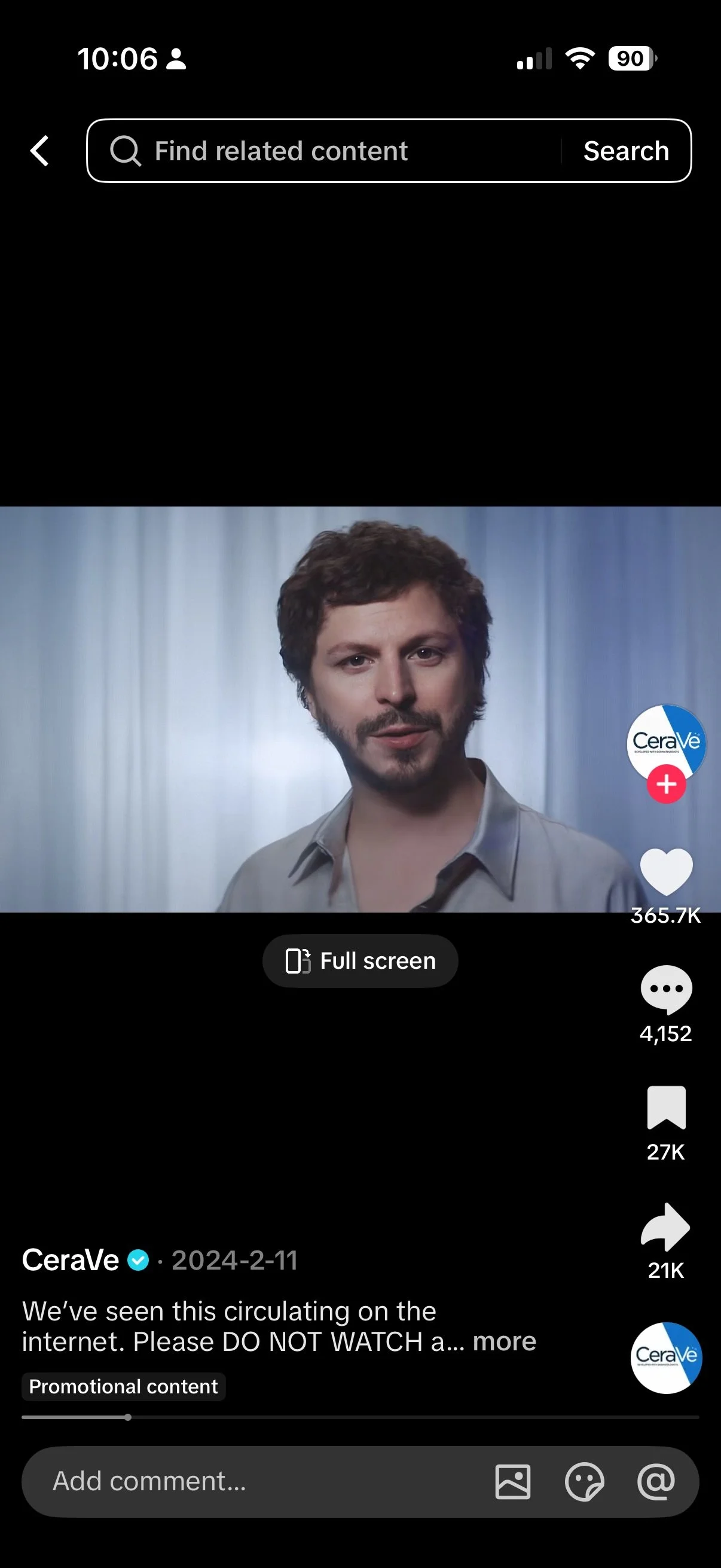
CeraVe's creativity was cultural. The team spotted a decade-old internet joke, recognised it as a campaign idea, and built a precisely orchestrated machine around it: a celebrity at the centre, 50+ creators each telling the story in their own voice, no unified script. The brief was the joke. The genius was seeing it in the first place.
Zara's creativity was craft. A well-chosen script, a familiar format, and two faces with a story worth telling — a mother and daughter, two generations of style, one who defined the 90s and one who stepped out of her shadow. No viral moment, no cultural hook. Just high production quality, a strong narrative, and the conviction to execute it at the highest level.
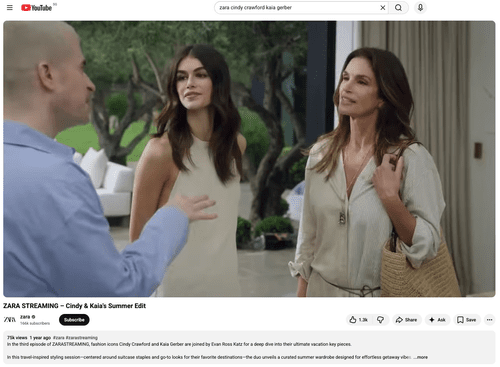
Different creative approaches. The same underlying principle: an idea that required human judgment to make.
What's the idea only a human would have thought to make? If AI could have briefed it, the creative work isn't done.
What patterns are emerging across all five approaches?
What separates these five brands is not budget, agency, or access to talent. It is the decision-making layer most teams skip entirely: who to partner with before the brief is written, how much creative control to surrender, when organic signal justifies paid amplification, and whether the story beneath the format is actually worth telling. Most teams focus on execution. The gap is strategic.
There's a sequence to how the best influencer programs are built. Most brands only do one or two parts of it — and usually not in the right order. I'm turning this into a framework. It'll be in the next issue, alongside a practical approach to influencer selection that most brand teams have never been given.
Growmble is a fortnightly newsletter on growth strategy, brand-building, and the gap between strategy and execution. Written from inside the work.
- 1Sprout Social, Influencer Marketing Statistics, 2025 — sproutsocial.com
- 2Flyweel / Archive.com, Influencer Marketing ROI vs. Paid Advertising, 2025 — flyweel.co · archive.com
- 3Dentsu, Ad Spend Forecasts, December 2025 — dentsu.com
- 4Mordor Intelligence, Influencer Marketing Market, 2025 — mordorintelligence.com
- 5Spruch-Feiner, Sara. "Medicube's Influencer Marketing-Fueled Mission to Be No. 1 Is Working." Glossy, May 2, 2025 — glossy.co
B2B growth strategy, brand-building, and the gap between strategy and execution.